
雖然這篇deeds意思鄉民發文沒有被收入到精華區:在deeds意思這個話題中,我們另外找到其它相關的精選爆讚文章
在 deeds意思產品中有10篇Facebook貼文,粉絲數超過6萬的網紅謙預 Qianyu.sg,也在其Facebook貼文中提到, 【為什麼壞人有錢,好人沒有錢?】 Why are the Evil-Doers Rich, and Mr Good Guys Poor? 這支影片幾年前上傳到Youtube時,有觀眾留言問: 老師,不好意思,我想請問您 :那些惡人今世可以賺到不斐的財富,是因為前世他們累積了不可思議的福報導致。 ...
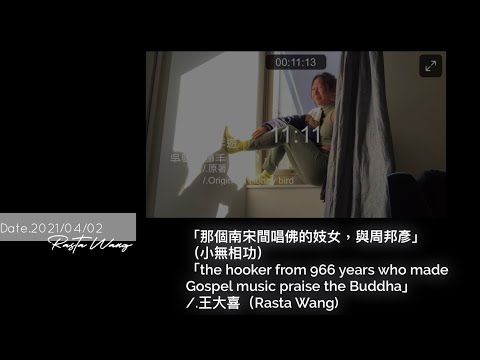
同時也有1部Youtube影片,追蹤數超過7萬的網紅王大喜,也在其Youtube影片中提到,2021/04/02生命紀實與創作 「那個南宋間唱佛的妓女, 與周邦彥」 (小無相公;John 3) 「A Hooker from 966 years ago make gospel music and praise to Buddha、 Li Shi Shi」 /.原著 王大喜 *Temple...
deeds意思 在 讀書e誌 Instagram 的最佳解答
2020-11-02 04:54:24
又是一本要推的書。 矽谷著名創投 A16z 合夥人,繼 “The Hard Things About Hard Things" (我在 2014 年的 top 10,有中文版 "什麼才是經營最難的事?”),作者 Ben Horowitz 還是維持一貫犀利少廢話的風格,讀起來很有收穫。 雖然作者用三...
-
deeds意思 在 王大喜 Youtube 的最佳解答
2021-04-03 13:13:382021/04/02生命紀實與創作
「那個南宋間唱佛的妓女,
與周邦彥」
(小無相公;John 3)
「A Hooker from 966 years ago make gospel music and praise to Buddha、 Li Shi Shi」
/.原著 王大喜
*Temple Worl. /.Origin Nocole Marks
*參考所有「仙人指路」第六個段子「無形無相、諸法刑天」 /.原著王大喜
*註:今日章節
「耶穌說:「我實實在在地告訴你,人若不是從水和 聖 靈生的,就不能進神的國。 從肉身生的就是肉身;從靈生的就是靈。 我說:『你們必須重生』,你不要以為希奇。 風隨着意思吹,你聽見風的響聲,卻不曉得從哪裏來,往哪裏去;凡從 聖 靈生的,也是如此。」
因為神差他的兒子降世,不是要定世人的罪 ,乃是要叫世人因他得救。 信他的人,不被定罪;不信的人,罪已經定了,因為他不信神獨生子的名。 光來到世間,世人因自己的行為是惡的,不愛光,倒愛黑暗,定他們的罪就是在此。」
約翰福音 3:5-8, 17-19 CUNP-神
*Note:
Daily chapter、
「Jesus answered, “Very truly I tell you, no one can enter the kingdom of God unless they are born of water and the Spirit. Flesh gives birth to flesh, but the Spirit gives birth to spirit. You should not be surprised at my saying, ‘You must be born again.’ The wind blows wherever it pleases. You hear its sound, but you cannot tell where it comes from or where it is going. So it is with everyone born of the Spirit.”
For God did not send his Son into the world to condemn the world, but to save the world through him. Whoever believes in him is not condemned, but whoever does not believe stands condemned already because they have not believed in the name of God’s one and only Son. This is the verdict: Light has come into the world, but people loved darkness instead of light because their deeds were evil.」
John 3:5-8, 17-19 NIV
*註:
2020/08/08工作筆記
「來自夢中的老和尚,時空的金球」之,「仙人指路」第七段,
「但丁,神曲」即「以太元神(莊稼神),祈天曲(祈災曲)」。
(第一段會在YouTube中最後一次試水溫,第二段後會暫時放在我的app中)
註:
「仙人指路」段子:
[作者/ .夢中的老和尚 x 王大喜]
一、
1.啟敬。
2.起還。
3.承天、不起名。
四、性命相消。(性格的融合)
五、游龍擺尾。
(上下弦最大值上下正負弦相消)
六、諸法刑天。(不來不去大圓滿)
七、以太元神。(祈災曲,以身體為介質,連結自然,與人製造的共同業力還與大地,使其平衡,發聲的自動訓練)
(此系列生命紀錄於Nicole Marks “Golden Purify Work”後的生命紀實)
Dream Walker™: RastaWang.com
(夢行者,™,醒夢人)![post-title]()

deeds意思 在 謙預 Qianyu.sg Facebook 的最佳貼文
【為什麼壞人有錢,好人沒有錢?】
Why are the Evil-Doers Rich, and Mr Good Guys Poor?
這支影片幾年前上傳到Youtube時,有觀眾留言問:
老師,不好意思,我想請問您 :那些惡人今世可以賺到不斐的財富,是因為前世他們累積了不可思議的福報導致。
那麼佛教有種說法,就是我們累世輪迴,這一世就是靈魂繼承上世的修行程度。你修的好的地方(善緣福報)你修的不好的地方(惡緣惡報)都會帶來這一世讓你繼續修,最終目的就是修到大圓滿 然後成佛。
可是我的問題是,那些惡人如果上世能夠累積到這麼多的福報,那麼本質上他的靈魂就一定是善的居多,怎麼這一世會偏差的這麼遠呢? 令人費解@@ 不好意思想請教老師...
*
我那時簡單的回覆:
您好。菩薩有隔世之迷,而且人之初,性混沌,遇到善緣,人會變善,遇到惡緣,人會變惡。
但問題是,修過福報的人,不一定是守五戒的人,因為他們可能不曾修過智慧,習性特重,便不會產生這定力不去犯錯。
打個比方,成龍享有巨大的財富和名氣,和他喜歡做慈善的心性有關係,但他還是犯了淫,因為定力不足,喜色成性。後代房祖名吸毒不爭氣,成龍受千夫所指,也是邪淫果報之一。
喜做善,不代表沒有在行惡。行了惡,又沒有懺悔,就會有這般善惡交叉的命運。但惡人再惡,善緣臨時也會有放下屠刀,立地成佛的一天,如佛陀弟子央掘魔罗。
我的Youtube頻道:https://youtu.be/m5l01u-mDIw
——————————————————————
When I uploaded this video on my Youtube channel 4 years ago, a viewer left a comment asking,
"Teacher, sorry but I wish to ask, those villiians can earn bountiful wealth because of the incredible good fortune they accumulated in their past lives.
In Buddhism, there is this theory: our souls in this lifetime is the product of our cultivation from past lives. Thus, for this life, you will continue to cultivate the areas you did well in (virtuous affinities & good fortune) and the areas you fail in (negative affinities & retribution).
The final goal is to accomplish Great Perfection and eventually, attain Buddhahood.
But my question is, if those villians accumulated so much good fortune in their past lives, then the essence of their souls should have more goodness in them. Why the vast difference in this life? This is perplexing. @@ Sorry I wish to ask Teacher ...”
*
My simple reply at that time:
Hi, a Bodhisattva will experience confusion between his past and current lives. When man is born, his nature is chaotic. He becomes virtuous when he meets virtuous conditions, and turns vile, when he meets malevolent affinities.
The problem is a person who has cultivated good fortune may not be a person who adheres to the five precepts. Because they may not have cultivated wisdom, they are still very prone to their habitual tendencies and lack the meditative strength to avoid committing sins.
For example, Jackie Chan enjoys enormous wealth and fame. This got to do with his fondness for doing charity. But he still committed sexual misconduct due to his lack of restraint. Thus his son, Jaycee Chan, was a drug abuser and let the family down. Jackie Chan was universally condemned and this is one retribution of his sexual misconduct.
A person doing virtuous deeds does not mean he is not doing bad deeds on the other hand. If there is no repentance after a bad deed is done, he will end up with a Destiny of good and bad interweaved in it.
But no matter how malevolent a villain may be, when his virtuous affinity approaches, there will come a day when he is willing to lay down the butcher's knife to become a Buddha, i.e. repent and be absolved of his past sins.
Just like Buddha's disciple, Angulimala.
On my Youtube channel: https://youtu.be/m5l01u-mDIw
deeds意思 在 讀書e誌 Facebook 的最讚貼文
又是一本要推的書。矽谷著名創投 A16z 合夥人,繼 “The Hard Things About Hard Things" (我在 2014 年的 top 10,有中文版 "什麼才是經營最難的事?”),作者 Ben Horowitz 還是維持一貫犀利少廢話的風格,讀起來很有收穫。
雖然作者用三個不尋常的人物的領導故事來闡述幾個“組織文化”的面向,但在前後他對於組織文化的預期設定,非常中肯,這是我很喜歡的四個點:
1. Mission Statement & Culture “公司信念 vs. 文化”:
許多組織都會寫出這些“信念”,但這些信念鮮少可以讓組織裡的人在日常決策中有引導性。最終大家還是看你具體的行為和面對各種狀況時的反應與態度。
2. Culture Travels 文化是會滲透至組織各處的
有些組織特別針對如何 “對外”爭取自身利益定下特別的原則,覺得對“自己人”是另一套。但往往很難區分,文化不能有兩套。
3. Culture-Strategy fit 文化與戰略必須相輔相成
雖然彼得杜拉克說 “Culture eats strategy for breakfast", 但其實兩者沒有互相排他性。好的文化無法取代或是補償不夠好的戰略。
4. A great culture does not get you a great company 好的組織文化並不會造就一間好的企業
這是我認為最中肯的,因為組織或企業成功有太多必須的條件。所以為什麼要在乎並且刻意設計組織文化呢?最終還是對人的影響力:
"If a great culture won't ensure success, why bother? In the end, the people who work for you won't remember the press releases or awards, they'll lose track of the quarterly ups and downs, they may even grow hazy about the products. But they will never forget how it felt to work there.., or the kind of people they became as a result"
"如果好的文化無法保證成功,那何必在乎呢? 到頭來,你的員工不會記得公司的新聞或是得到什麼獎項,他們不會記得每個季度業績的起伏,甚至時間久了也對產品只剩模糊的印象。但他們永遠會記得在那邊工作的感覺,以及他們在那裡待過以後成為什麼樣的人”
作者提的三個塑造組織文化高手,分別是:
- 帶領奴隸推翻殖民者成功的 Toussaint Louverture (海地)-\-\ 如何將一群奴隸變成軍隊(參考: 海底革命領導者 杜桑.盧維杜爾)
- 建立世界第一廣闊帝國的成吉思汗 -\-\ 如何建立包容性多元文化
- 蹲19年牢獄的美國監獄老大 Shaka Senghor -\-\ 如何在最危險的地方樹立文化
他的故事非常特別。除了監獄之後唸MIT,然後現在在密西根大學任教,致力推動美國監獄改革。這是他的簡短演講:
Shaka Senghor TED talk "Why your worst deeds dont define you" ("為何你最糟的錯誤不能定義你”
三個故事都非常精彩。從這些“非典型成功案例” (也可以說是比較極端的組織),思考組織文化到底怎麼設計,非常有意思。
說到最後,領袖還是必須真實認識自己,讓文化與戰略相符合 (沒有好不好,只有適合不適合),然後行動永遠比嘴巴講的要大聲。
全文與相關鏈結在部落格中 👇👇👇
https://dushuyizhi.net/what-you-do-is-who-you-are-%e5%a6%8…/
deeds意思 在 讀書e誌 Facebook 的精選貼文
又是一本要推的書。矽谷著名創投 A16z 合夥人,繼 “The Hard Things About Hard Things" (我在 2014 年的 top 10,有中文版 "什麼才是經營最難的事?”),作者 Ben Horowitz 還是維持一貫犀利少廢話的風格,讀起來很有收穫。
雖然作者用三個不尋常的人物的領導故事來闡述幾個“組織文化”的面向,但在前後他對於組織文化的預期設定,非常中肯,這是我很喜歡的四個點:
1. Mission Statement & Culture “公司信念 vs. 文化”:
許多組織都會寫出這些“信念”,但這些信念鮮少可以讓組織裡的人在日常決策中有引導性。最終大家還是看你具體的行為和面對各種狀況時的反應與態度。
2. Culture Travels 文化是會滲透至組織各處的
有些組織特別針對如何 “對外”爭取自身利益定下特別的原則,覺得對“自己人”是另一套。但往往很難區分,文化不能有兩套。
3. Culture-Strategy fit 文化與戰略必須相輔相成
雖然彼得杜拉克說 “Culture eats strategy for breakfast", 但其實兩者沒有互相排他性。好的文化無法取代或是補償不夠好的戰略。
4. A great culture does not get you a great company 好的組織文化並不會造就一間好的企業
這是我認為最中肯的,因為組織或企業成功有太多必須的條件。所以為什麼要在乎並且刻意設計組織文化呢?最終還是對人的影響力:
"If a great culture won't ensure success, why bother? In the end, the people who work for you won't remember the press releases or awards, they'll lose track of the quarterly ups and downs, they may even grow hazy about the products. But they will never forget how it felt to work there.., or the kind of people they became as a result"
"如果好的文化無法保證成功,那何必在乎呢? 到頭來,你的員工不會記得公司的新聞或是得到什麼獎項,他們不會記得每個季度業績的起伏,甚至時間久了也對產品只剩模糊的印象。但他們永遠會記得在那邊工作的感覺,以及他們在那裡待過以後成為什麼樣的人”
作者提的三個塑造組織文化高手,分別是:
- 帶領奴隸推翻殖民者成功的 Toussaint Louverture (海地)-- 如何將一群奴隸變成軍隊(參考: 海底革命領導者 杜桑.盧維杜爾)
- 建立世界第一廣闊帝國的成吉思汗 -- 如何建立包容性多元文化
- 蹲19年牢獄的美國監獄老大 Shaka Senghor -- 如何在最危險的地方樹立文化
他的故事非常特別。除了監獄之後唸MIT,然後現在在密西根大學任教,致力推動美國監獄改革。這是他的簡短演講:
Shaka Senghor TED talk "Why your worst deeds dont define you" ("為何你最糟的錯誤不能定義你”
三個故事都非常精彩。從這些“非典型成功案例” (也可以說是比較極端的組織),思考組織文化到底怎麼設計,非常有意思。
說到最後,領袖還是必須真實認識自己,讓文化與戰略相符合 (沒有好不好,只有適合不適合),然後行動永遠比嘴巴講的要大聲。
全文與相關鏈結在部落格中 👇👇👇
https://dushuyizhi.net/what-you-do-is-who-you-are-%e5%a6%82%e4%bd%95%e8%a8%ad%e8%a8%88%e7%b5%84%e7%b9%94%e6%96%87%e5%8c%96/